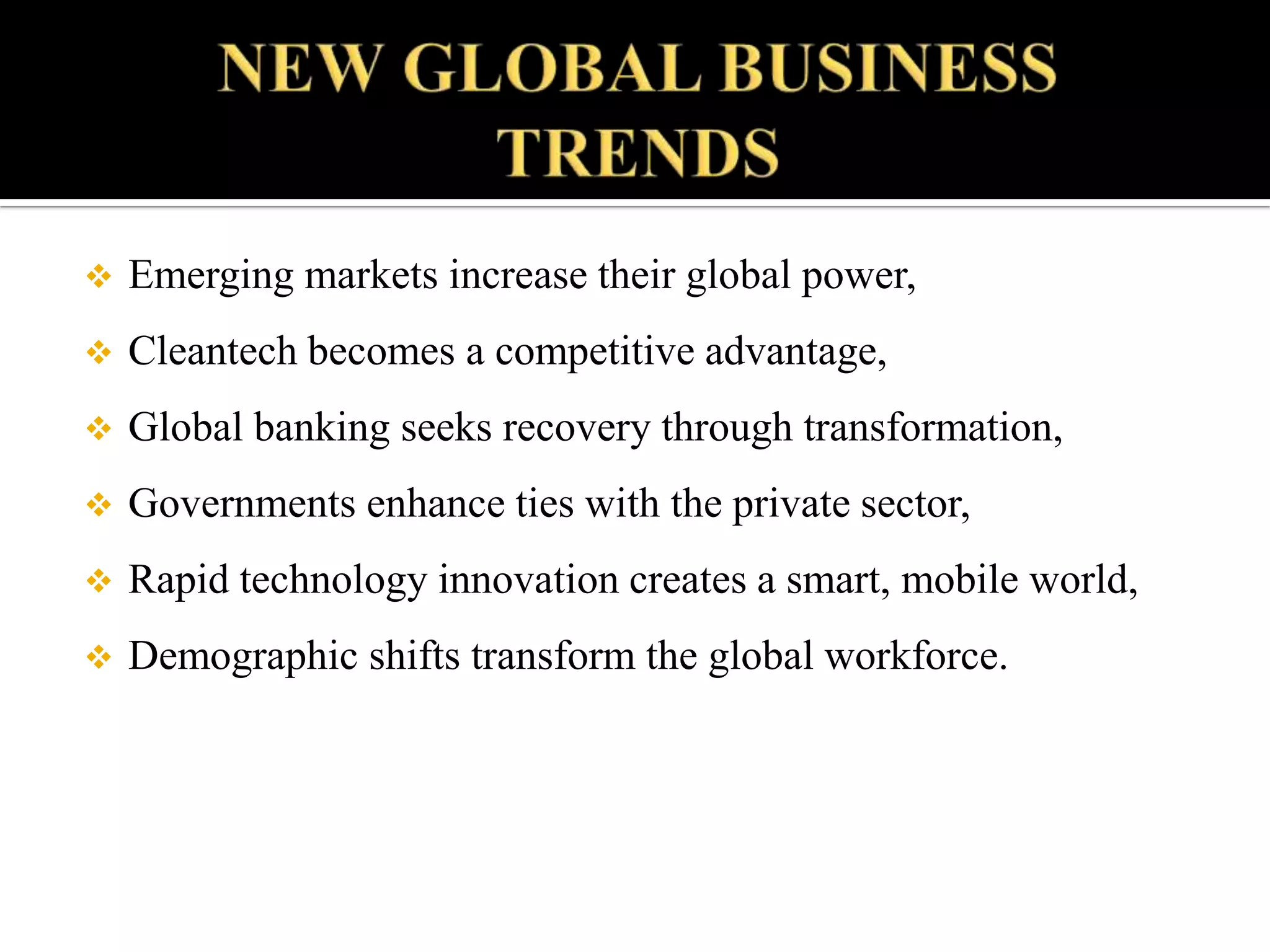
Our Top 10 Favorite Food And Nutrition Trends You Need To Know About In 2026/27
Food is at the crossroads of culture, science, economics, and personal identity in ways that most other aspects of life can match. What we eat, where it comes from, how it is produced, and what does to the body are subjects that get increased attention with each ever. The world of food and nutrition of 2026/27 has been shaped through technological advancements, growing environmental awareness, changing preferences of consumers and a technology-based sector which has recognized food as one of the key future transformation possibilities in the coming years. These are the top 10 food and nutrition trends to know about in 2026/27.
1. Personalised Nutrition Moves from Concept to Practice
The notion that the optimal diet differs greatly between people in accordance with genetics Microbiome composition, metabolism, and lifestyle variables has been developing in the scientific literature for some time. In 2026/27, the tools to implement that notion have begun to be accessible beyond health clinics as well as elite athletes. There are platforms designed for the general public that combine genetic testing continuously monitoring glucose levels, microbiome analysis and AI-driven dietary advice are gaining ground in mainstream markets. The one-size fit-all nutritional guideline is not disappearing, but it gets increasingly supplemented with suggestions that are adapted to the particular instead of the average.
2. Gut Health Remains The Keystone To Mainstream Nutritional Thinking
The gut microbiome (the vast community of microorganisms living in the digestive system has become one of the most extensively studied areas scientific research in nutrition. research findings continue to spread across the way people think about what they eat. Studies linking gut health to mental well-being, immune function, metabolic health, and inflammatory disorders have driven fermented foods, dietary fiber and probiotic products from the shelves of health food stores to food items to top supermarket brands. Consumer understanding of gut health is only a fractional understanding and the supplement market particularly is prone to overhype, but the science is established and growing.
3. Plant-Based Eating Matures And Diversifies
The initial cycle of meat substitutes that are plant-based created to mimic the flavor and texture of meat however closely possible but has now evolved into a wide range of. Whole food plant-based eating, based on legumes, vegetables grains, nuts, and seeds in less processed forms, is growing along with the ongoing development of more sophisticated alternative proteins. The motivations are changing as well. Health outcomes, environmental impact as well as animals' welfare all have a place frequently in a combination. Food choices based on plants in 2026/27 are not so much a single-issue lifestyle idea and more of continuum that an increasing proportion populace is engaged with in different degrees.
4. Protein Demand Drives Innovation Across Multiple Categories
Protein is now the biggest significant macronutrient that is used commercially in the food industry. The competition to meet the rising demand for it is driving new innovations in a variety of areas. Precision fermentation, which makes use microorganisms in order to produce animal proteins without animal products expansion, is now scaling up. Insect protein, despite the significant cultural hurdles in Western markets, is finding acceptance in certain processed food applications. Proteins made from algae, single-cell proteins produced from agricultural waste, and the continuous development of the legume as a source of protein are all part of a changing protein supply and reflect the need for sustainability as well as commercial possibility.
5. Ultra-Processed Food Faces Growing Regulatory Pressure
The research linking high consumption of ultra-processed food to numerous adverse health outcomes has accumulated to the point that regulatory actions are now beginning to follow. Warning labels, advertising restrictions especially targeting children, school requirements for food and health programs specifically targeting ultra-processed eating habits are all gaining increasing momentum across multiple countries. Food industry responds to the changing times with reformulation efforts that vary in intensity, and awareness on the food category that is processed is growing, even though behaviour modification at the individual level is difficult to achieve. The direction in which policy-making is headed is apparent, even if the pace of change is debated.
6. Food Waste Reduction Becomes A Serious Priority
Nearly a third food that is produced worldwide is wasted or wasted, representing an immense environmental, economic and ethical disaster. In 2026/27, the issue of the problem of food waste will be attracting significant interest from retailers, governments and food service operators and technology developers. Pricing for food in dynamic fashion as it nears its use-by date and AI-driven demand forecasting which can reduce overproduction, apps bringing surplus food with charitable organizations and consumers, as well as innovation in packaging that increases shelf life all contribute to a measurable shift. To consumers, renormalizing imperfect food taking care when planning meals and eating more thoroughly are all actions that aggregate into significant impact at a greater scale.
7. Functional Foods And Beverages Take Over Mainstream
Products and beverages that deliver specific health benefits beyond essential nutrition have advanced beyond the aisles of health food. Cognitive function, sleep quality the management of stress, immune support and energy levels without the crash of traditional stimulants are all targets for conventional food and drinks with adaptogens, nootropics and specific minerals and vitamins and bioactive compounds. The line between supplementation, food, and pharmaceutical is becoming obscure in some categories, creating doubts about the validity of evidence quality, regulations, and the degree to which functional claims are confirmed. Consumer appetite, however, has not slowed down.
8. Local And Regenerative Food Systems attract renewed interest
Global food supply chains have shown some degree of fragility during recent episodes of chaos, and the reaction has been characterized by renewed the desire to create shorter, more robust communities' food supply systems. Farmers markets, community-based agricultural schemes and direct-to-consumer food companies have all grown. Alongside localism is regenerative agriculture methods of farming that aim to restore the health of soils, improve biodiversity, and capture carbon rather that merely sustain yield, is attracting serious interest from both consumers and investors. The issue is how to scale these techniques without losing the benefits they provide and that's one of the defining questions that will be posed to the food system in the next decade.
9. AI And Technology Transform Food Production and Security
Artificial Intelligence is being applied across the food system ways that are starting to produce tangible results. Precision agriculture through AI-driven analysis of satellite imagery soil sensors, soil sensors, as well as weather data is improving yields while reducing input. AI-powered food safety monitoring is detecting Quality and contamination issues much faster than traditional inspection methods. In product development, AI is accelerating the identification of innovative ingredient combinations, flavour profiles and formulations which would have taken years to come up with through trial and errors. The food industry is technologically intensive in ways that aren't readily apparent to consumers but have the potential to transform efficiency and security across the entire supply chain.
10. Mindful And Intentional Eating Challenges Diet Culture
A significant cultural shift is taking place in the way we relate with food emotionally. The long dominance of diet-related culture, with its emphasis on restriction as well as calorie counting and the morality of the choices we make with food, is being challenged by new approaches that emphasize the connection between hunger and satiety signals satisfaction, variety, and a nonpunitive relationship to eating. Mindful eating, intuitive eating practices, as well as an overall rejection of restriction as well as guilt-based eating are gaining popularity in the mainstream, especially among younger demographics who have grown up with more frequent conversations about the links on the subject of eating disorder and diet. This isn't without its own complexities. However, it's a significant shift in how health and food are presented.
Food and nutrition in 2026/27 show a world struggling at the same time with scarcity and abundance, with extraordinary scientific possibility and the stubborn nature of habit, culture as well as economic restrictions. The trends above don't provide a clear and unambiguous worldview on how we eat however, they do point us in a direction toward more personalization, a greater commitment to the environment, and a healthier relationship between the food we consume and how we feel eating it. For additional insight, visit some of these reliable To find additional context, check out some of these reliable digifoorumi.fi/ and find trusted coverage.
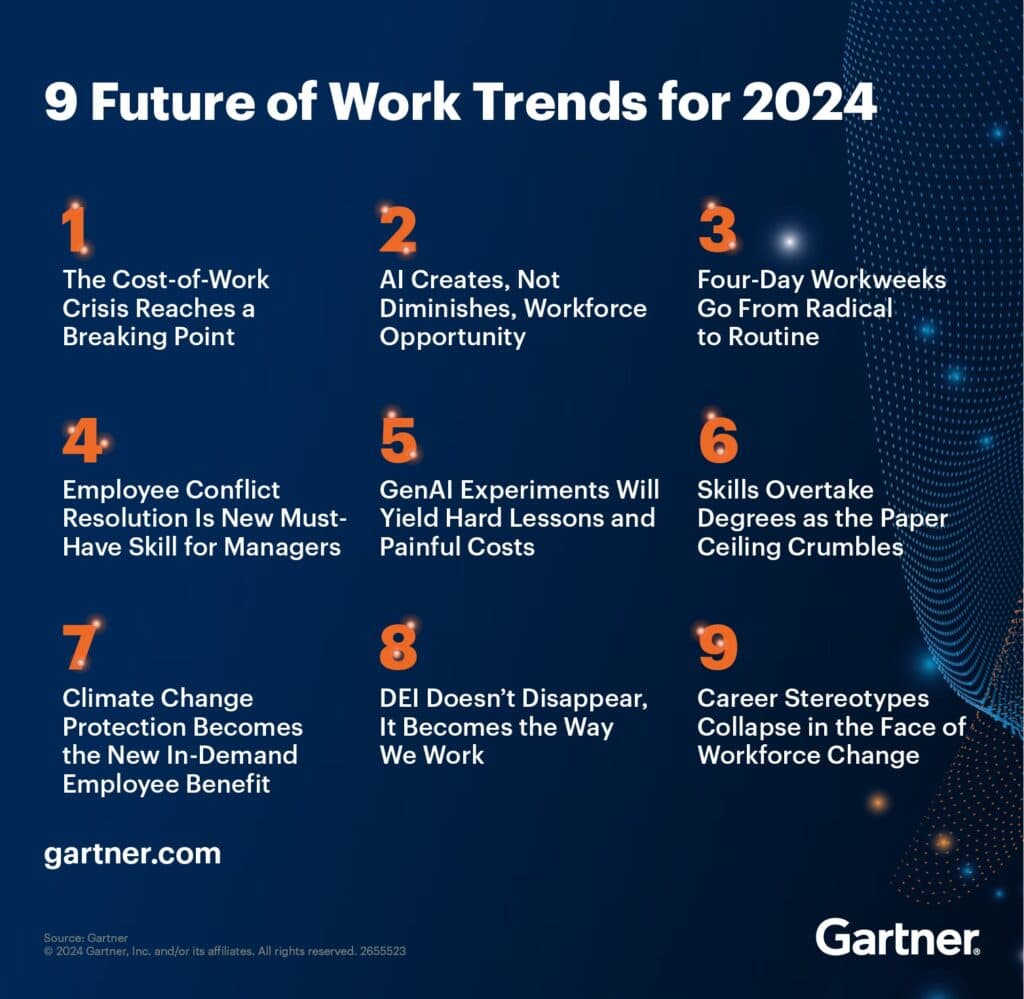
The 10 Family Changes All Parent Needs To Know In 2026/27
The way we parent has always been influenced through the societal, economic and technological setting in the way it is conducted, and the present context is distinctive in the ways that are creating new challenges and new possibilities for families. The world parents live in is one with unprecedented complexity, changing understanding of child development and mental health, significant demands on families' finances as well as a significant cultural moment which is challenging many beliefs regarding how children are educated. Here are the top ten parental trends that all modern families needs to know about as we move into 2026/27.
1. Screen Time Gives Way To Conversations with Screen Quality
The debate over children and screen technology has advanced beyond the bare metric of total screen hours to deeper discussions about what children actually are doing through screens, when they do it, with whom and in what settings. Research is increasingly distinguishing between passive consumption interaction, interactive engagement, artistic production, and social connections via technology, and finding that these have an impact on development that is different. Parents and teachers are shifting from imposing hours limits that are difficult to sustain toward developing children's capability to use digital content thoughtfully, deliberately, and with healthy boundaries which will benefit them much better than the enforced limitations that are lifted when parental oversight is removed.
2. Mental Health Awareness transforms how Parents Respond to Children
The significant rise in public mental health literacy over the last decade has altered the way parents respond and interpret the emotional and behavioural concerns of children. Anxiety, neurodevelopmental problems in emotional dysregulation, as well as the effects of negative experiences are all being interpreted with greater sophistication in a generation of parents which has seen the benefits of more public discussions on mental health. The result is an increased awareness and resolving issues, fewer stigmas about seeking help, and parenting methods that place emphasis on emotional attunement and psychological safety alongside conventional developmental milestones. Children's mental health services have been under intense pressure in a majority of countries, but those who are causing that pressure can be seen as a positive development of awareness and behaviour.
3. The Pressures of Intensive Parenting Be Prepared For Growing Reaction
The concept of intense parental involvement, defined by a high degree of parental involvement in all aspects of children's lives, jam-packed daily schedules of activity, continuous enrichment, as well as the perception of childhood in a way that must be enhanced, is now facing significant social tension. Research on the value of free play, the important role boredom plays in developing children in children, the consequences of over-scheduled childhoods for stress and autonomous development, and the unsustainable pressure intensive parenting places on parents ' shoulders is reaching people in the mainstream. The backlash is not against abandonment, but towards a recalibration that provides children with more space with more autonomy and an opportunity to confront challenges independently as a foundation for resilience.
4. Technology Shapes Both The Challenges As Well As The Tools Of Modern Parenting
Digital technology is one of the major issues parents face, and also one of the most effective tools for supporting parenting. AI-powered educational platforms are able to personalize learning in ways that aid children with different needs. Online communities bring parents with similar challenges through experience or information and also with a sense of camaraderie. Safety and monitoring tools give parents access to the digital spaces their children live in. Yet, online pressures on children are a challenge for parents to establish and sustaining digital boundaries across an ever-connected ecosystem of devices and the difficulty of creating a child-friendly world that is changing fast all create genuinely new parenting challenges for parents who do not have established playbooks.
5. Co-parenting As Well as Diverse Family Structures Can Be Normalized
The variety of family structure that is raising children in 2026/27 is higher than at any other time and the social and institutional frameworks surrounding family life are slowly but effectively, evolving to reflect this fact. Family co-parenting after relationship breakdown Same-sex parent families single-parent households, blended families and multi-generational families are all present in large amounts. The primary factor that determines positive outcomes for children in every single one of these is how well relationships are and the stability and warmth of the family environment, rather than the specific nature of the structure within which families are based. Advice, support for parents, and a sense of community are progressively shaped on that understanding, not the traditional family model.
6. Parents, as well as non-primary caregivers, take On More Active Roles
The allocation of caregiving in families is changing, driven by shifting expectations in the culture, more equitable parental leave policies in several countries, flexible work arrangements that make active fatherhood more accessible, and men of the present seek to have more involvement in the lives of their children as opposed to the normative experience previous generations had. The change is not complete and uneven across various social, cultural, and geographical settings, but the direction is clear. Research consistently demonstrates benefits for children, mothers, fathers and family members when caregiving duties are more fairly divided, and provides an evidence base in conjunction with the existing cultural change.
7. Financial Pressures Change Family Decision-Making
The economic challenges facing families by 2026/27 is significant and are shaping decisions about family size, childcare, housing, education, as well as the distribution between paid and unpaid labor by revealing patterns across the statistics. Childcare costs in many countries take up a significant portion of income for households, which makes full-time work financially marginal for the parents in households with dual incomes with lower income levels. Costs for housing impact decisions about where families reside and what they spend their time in. The aspiration to provide children with opportunities and experiences they believed were commonplace is now being run up against realities in the economy that need to be prioritized. Families with financial stress are generally a strong predictor for lower results for children, which makes the financial context of parenting an important policy issue as much like a personal one.
8. Nature And Outdoor Experience Become Deliberate Parenting Priorities
The generation of children that is growing to a time of increasing digital urban, indoor and outdoor environments has brought about significant parental and educational efforts to ensure that children get meaningful exposure with nature as a goal rather as an unintentional consequence. The evidence-based research on the developmental, psychological, and physical health benefits of regular nature-based and outdoor experiences for children is abounding and expanding. Forest school programmes that incorporate outdoor education, the basic notion of prioritizing unstructured outdoor time are all responses towards the recognition that children's connection to the physical world should be actively cultivated rather than accepted in the world that many families reside in.
9. Educational Philosophies Diverge Beyond the traditional schooling system
The interest of parents in alternative options as compared to traditional schooling has grown by a significant amount. The home education model, democratic schools Montessori, Waldorf approaches, hybrids combining home learning with school-based group instruction, as well as microschools providing small groups of families are all attracting parents who believe that traditional education doesn't suit their children's interests, needs or learning styles properly. The pandemic demonstrated to many families that learning could take place effectively outside conventional school settings And a majority of these families haven't changed their minds to the conventional model. Educational technology makes the possibilities available to alternative approaches richer than any time in history in time, which reduces the practical barriers to the exploration of education.
10. "The Village Model Of Childraising Needs a Modernized Form
The erosion of the established family connections, solid communities, as well as the informal support system which were once the norm for families with children has led to many parents feeling disengaged and unsupported by the parental responsibilities that were shared by previous generations more widely. Searching for the modern equivalents of the village, communities which share resources such as support, time, and involvement on the same level, is creating new forms of intentional community, cooperative childcare arrangements, and neighbourhood-based networks centered around shared parental support. Tools that connect parents who face similar challenges provide limited alternatives, but the most effective solutions are those that promote physical connection and continuous commitment between families who choose to raise children in true connection with one another.
The parenting of 2026/27 will be demanding yet rewarding, and also more conscious than at previous instances in the history of mankind. These trends cannot give a single method in raising children since there isn't one. What they show is an entire culture that is thinking more critically, more openly and more collaboratively about what children require for their development, and scouring in a sincere search for conditions of relationships, environment, and conditions that provide it. To find further insight, check out a few of these reliable trendjournal.se/ to learn more.